Choose a topic
Stem cell treatment for Osteoporosis
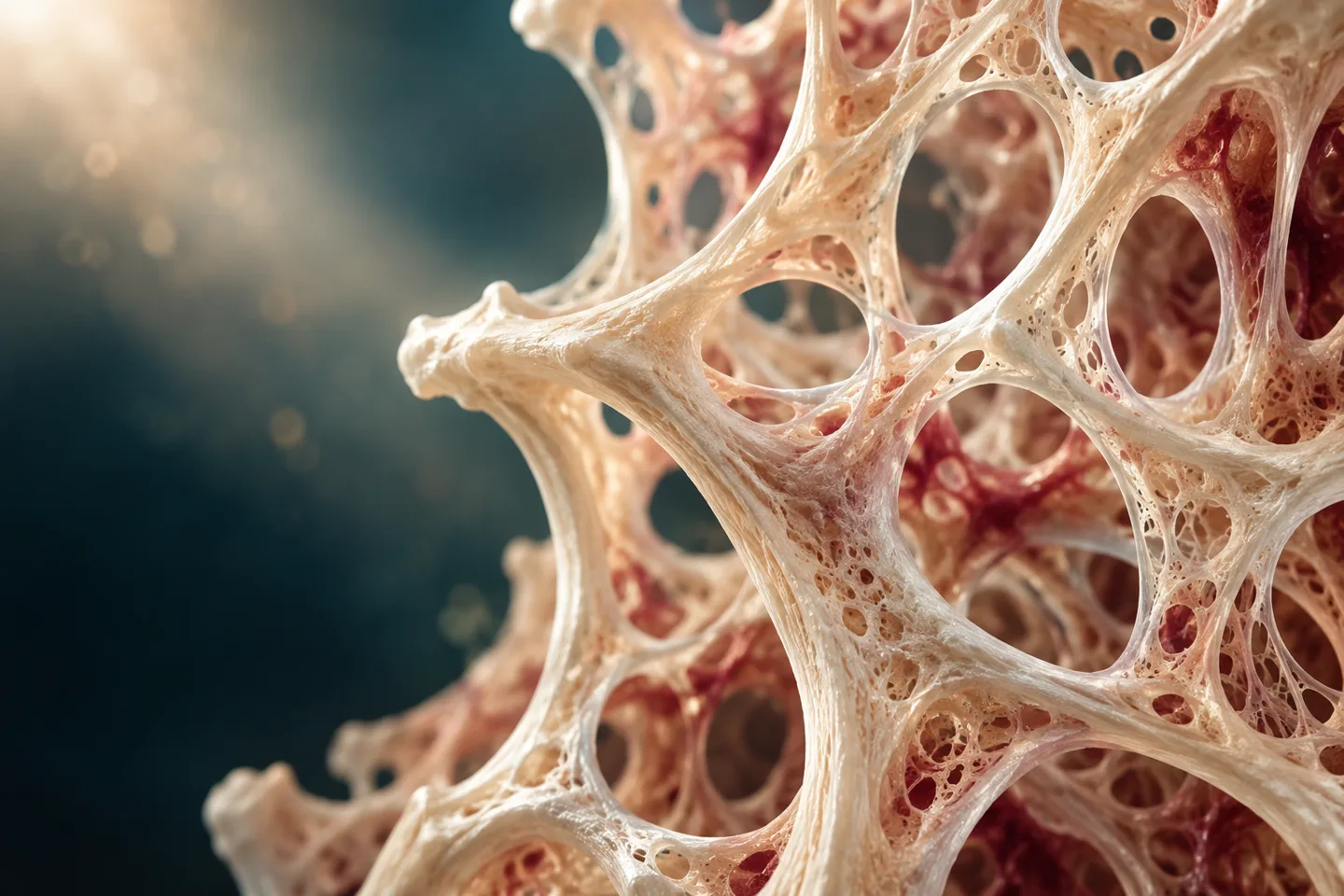
Osteoporosis is a condition in which the bones weaken and become more fragile. This bone disease can lead to an increased risk of fractures and fractures, resulting in pain and discomfort. Osteoporosis can affect both men and women and is often associated with loss of bone density and aging. Our stem cell treatment for osteoporosis involves directly infusing allogeneic mesenchymal stem cells to improve bone health and increase bone density, which can reduce the risk of fractures and improve quality of life.
How is our stem cell transplant for Osteoporosis performed in Istanbul?
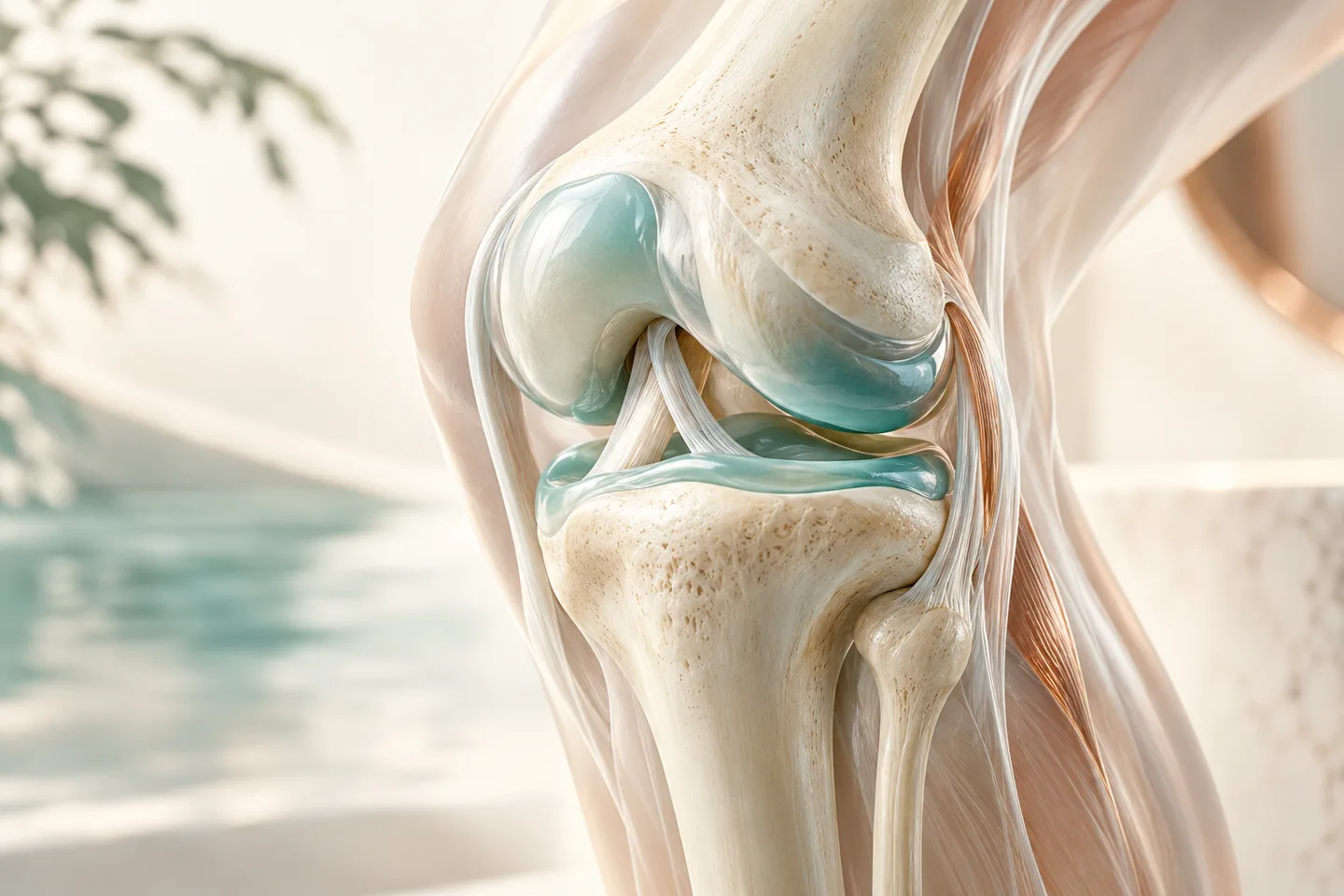
Several factors are taken into consideration before addressing osteoporosis. These factors include age, bone density, and overall health. It's important to note that osteoporosis is not cured but managed. Moderate physical activity is essential for strengthening and keeping the bones active. Hormone replacement therapy is one of the most common treatments for osteoporosis, replacing insufficient estrogen to reduce bone loss. Stem cell therapy can promote the regeneration of new bone and connective tissue. This regenerative therapy manipulates stem cells to rebuild and strengthen bones, effectively reducing the risk of bone loss. Stem cell therapy may help reverse the effects of osteoporosis.
Expert stem cell treatment led by Uzm. Dr. Cihan Bolat, MD
Under the leadership of Uzm. Dr. Cihan Bolat, MD, Specialist in Anaesthesiology and Reanimation · Regenerative Medicine, we provide expert treatments tailored to the unique needs of our patients. With our extensive experience and mesenchymal stem cells derived from umbilical cord tissue and Wharton’s jelly, and exosomes at our disposal, we offer an integrated approach to the treatment of osteoporosis complaints. In our clinic we do not use performance-enhancing substances or components, and we strive for a relaxing atmosphere with a friendly and professional team to help you enjoy your stay.
Osteoporosis
Explore your topic. Discuss your questions and personal circumstances with us.
Discuss your situationHow does our stem cell treatment for osteoporosis work?
All our stem cell treatments in Istanbul are assessed and administered by specialists in the field, trained in the United States and Turkey, and not solely by general practitioners. We do this to ensure the highest level of precision, understanding of the condition and quality of treatment for our patients. We are 100% open and honest with our patients. Not everyone is eligible for our stem cell treatments.
We decline treatment for many patients after our specialist reviews their current health and medical history and determines that treatment is unsuitable. This avoids false promises or expectations when the risks outweigh the benefits. For this reason, and to ensure patient safety in all our treatments, each patient is assessed by the specialist before they can plan their treatment.
- Step 1.
Specialist assessment
For patients with osteoporosis complaints, our specialist must know the patient's age and previous medical treatments. In addition, he will need to review the test results you will be asked to provide.
- Step 2.
Free telephone consultation with the specialist
Once the specialist has reviewed the medical records and confirmed your suitability, we will present treatment options and pricing. We also offer a free telephone consultation to discuss your questions and concerns.
- Step 3.
Stem cell preparation
Once you decide to undergo our treatment, we will send a deposit invoice to begin the process of stem cell preparation so that it is ready for your scheduled treatment. This process can take 5-10 days, depending on current demand and availability.
- Step 4.
Treatment day
On the day of treatment you can choose to come to our hospital location or use our free transportation to and from our clinic in Istanbul. Our driver will pick you up at your desired location and accompany you to our clinic, where the specialist will administer the treatment, and then take you safely back.
- Step 5.
Follow-up care
Our follow-up specialist will contact you according to our follow-up schedule to ensure you have all the resources you need for maximum benefits. Your well-being and satisfaction are our top priority.


Frequently asked questions
How much does treatment cost, and what is included?
Costs depend on your assessment and the proposed treatment plan. Request an itemised quotation before making a decision.
The existing treatment information includes transport to and from the clinic, specialist treatment, a personal contact and follow-up. Confirm the exact arrangements in your quotation.
Before booking, request a written quotation covering treatment, tests, transport and follow-up. Confirm whether travel, accommodation, extra sessions and additional care are included. Insurance reimbursement is not automatic; check this with your insurer in advance.
How effective is this stem cell treatment for osteoporosis?
Potential outcomes vary between people and treatment protocols. Your assessment should cover specific goals, the available research and the remaining uncertainties. Agree on when and how results will be assessed. Another patient’s experience cannot reliably predict your own outcome.
Include recent test results and your experience of previous treatments so that the assessment reflects your own situation.
Can stem cell therapy cure my osteoporosis?
An improvement in symptoms is different from a cure. Whether stem cell therapy is a reasonable option for you depends on your diagnosis, previous treatment and the evidence for the proposed protocol. Discuss realistic goals and how progress would be measured; an individual outcome cannot be guaranteed.
Include recent test results and your experience of previous treatments so that the assessment reflects your own situation.
How is my suitability assessed?
Medical assessment comes before treatment planning. Share your diagnosis, current symptoms, medication, previous treatments and available test results. The specialist considers potential benefits, risks and alternatives. Further assessment may be needed, and treatment may not be appropriate.